
Jharkhand Police Online FIR Registration: How to File a Complaint in 2026
Citizens can submit crime-related information to Jharkhand Police through the state's designated online services or directly at a police station. This guide explains the complaint process, the difference between an online submission and a registered FIR, and your rights under the Bharatiya Nagarik Suraksha Sanhita, 2023 (BNSS).
Official Jharkhand Police Online FIR and Complaint Services
The Government of Jharkhand citizen services directory lists the Jharkhand Online FIR/Complaint Management System (JOFS). The Jharkhand Police official website also provides citizen services, police-station contacts and guidance. The National Government Services Portal describes Jharkhand's online FIR service.
Earlier versions of the online process used e-Samadhan and the JOFS complaint form. These older entry points are preserved here for reference, but their present availability and interface should not be assumed. Prefer the current portal linked from the Jharkhand Government directory.
Steps to Submit a Complaint Online with Jharkhand Police
- Open the official portal: Visit JOFS using the state government's verified link.
- Choose the relevant service: Look for a new complaint, online FIR or other available citizen-service option. The precise labels may change.
- Complete any required verification: Follow the current identity, mobile-number, OTP or login instructions shown by the official service. Do not assume Aadhaar or fingerprint verification is compulsory for every FIR.
- Enter your details: Provide accurate contact information and the place, date and time of the incident, to the extent known.
- Describe the incident: Select the relevant category, such as crime-related, cyber-related or other complaint, if offered. State the facts chronologically, identify witnesses and describe any loss, injury or threat.
- Attach supporting material: Upload documents, photographs or a signed complaint where the portal permits. Retain original evidence.
- Submit and preserve proof: Complete any OTP or confirmation process and save the acknowledgement, reference number or screenshot.
- Complete the FIR formalities: If the submission reports a cognizable offence electronically, ensure the information is signed within the three-day statutory period and follow up with the police for the registered FIR details.
Historical screenshots of the Jharkhand complaint interface
The images below document an older version of the complaint process. They are retained as historical illustrations, not as guaranteed instructions for the current portal.
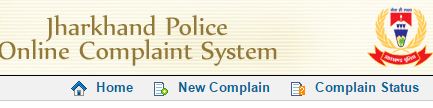
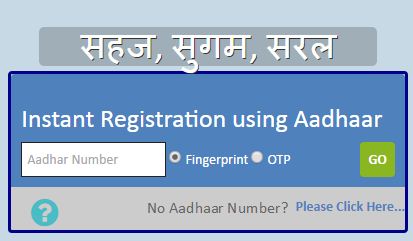
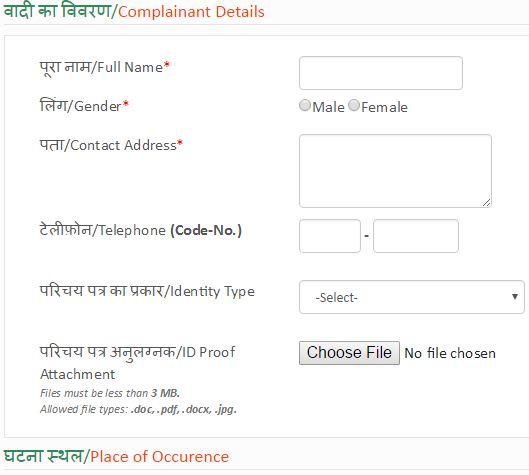
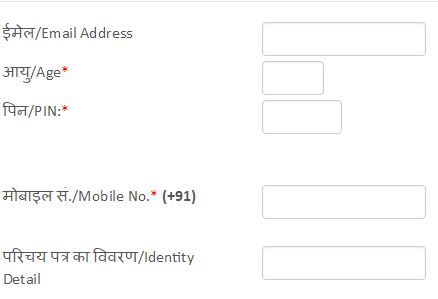
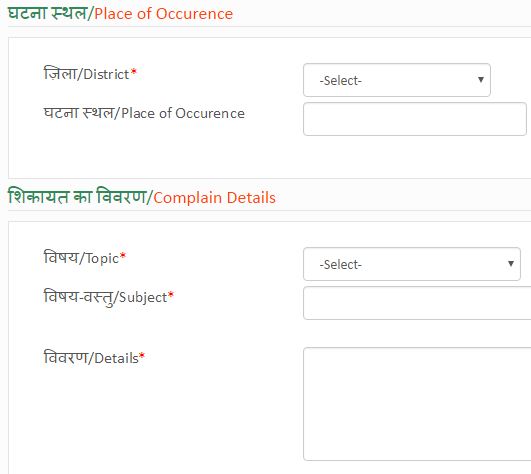
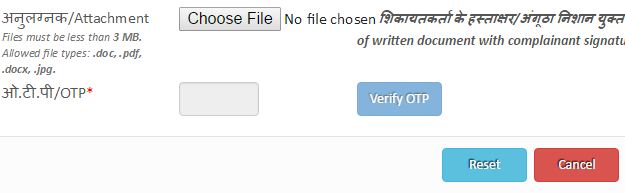
Legacy interface illustrations; follow the live official website for current options.
What to write in the complaint
Use a short subject and a clear factual description. If the portal offers fields labelled Topic, Subject, Details, Choose File and OTP, select the appropriate complaint type, describe the incident, attach supporting records and complete verification. Include your name, contact details and any available information about the suspect, witnesses, location and evidence. Avoid speculation presented as fact.
Legal Provisions Governing FIR Registration in 2026
The Bharatiya Nagarik Suraksha Sanhita, 2023, in force from 1 July 2024, governs FIR procedure for cases to which it applies. It replaced the Code of Criminal Procedure, 1973, subject to applicable savings and transitional provisions.
Section 173(1): Information relating to cognizable offences
Information about a cognizable offence, meaning an offence for which police may arrest without warrant in accordance with law, may be given orally or electronically to the officer in charge of a police station, irrespective of where the offence occurred. This enables what is commonly called a Zero FIR. Oral information must be written down, read over and signed. Electronic information is taken on record on being signed within three days.
Section 173(2): Free copy of the FIR
A copy of the information recorded under Section 173(1) must be supplied promptly and free of cost to the informant or victim.
Section 173(3): Preliminary enquiry in specified cases
For cognizable offences punishable with imprisonment of three years or more but less than seven years, the officer in charge may, with prior permission of an officer not below Deputy Superintendent of Police rank and considering the nature and gravity of the offence, conduct a preliminary enquiry within fourteen days to determine whether a prima facie case exists, or proceed with investigation where such a case exists.
Section 173(4): Remedy for refusal
Where the officer in charge refuses to record information, the aggrieved person may send the substance of the information in writing and by post to the Superintendent of Police. If the Superintendent is satisfied that a cognizable offence is disclosed, the Superintendent must investigate personally or direct investigation by a subordinate police officer. If this does not resolve the matter, an application may be made to the Magistrate in accordance with Section 175(3) BNSS and its procedural requirements.
For the statutory text, see the official BNSS document hosted by the Bureau of Police Research and Development.
If Jharkhand Police Refuse to Register an FIR
Ask for the reason and preserve a copy of your written complaint. Escalate the information to the district Superintendent of Police under Section 173(4) BNSS. Keep postal receipts and supporting evidence. Where necessary, obtain legal advice about an application before the competent Magistrate under Section 175(3) BNSS. Jharkhand Police also explains the complaint and escalation process in its official FIR guidance.
How to Obtain a Jharkhand FIR Copy or Check Status
After registration, request the FIR number, police station name and a free copy from the investigating police station. You may also check the online citizen services available on the Jharkhand Police website or the JOFS portal. Availability of an online copy may depend on the nature of the case and publication restrictions. For related guidance, read Jharkhand Police FIR copy and status online.
Urgent Cases and Cybercrime
For immediate danger, call India's emergency response number 112. For cybercrime, use the National Cyber Crime Reporting Portal; for suspected financial cyber fraud, call 1930 without delay. Jharkhand Police also publishes specialist contacts on its official contact page. An online form should not delay emergency assistance.
Frequently Asked Questions
Can anyone report a cognizable offence?
Yes. Information may be given by a victim or another person with knowledge of the alleged offence. Jharkhand Police's FIR guidance confirms that the informant need not personally be the victim.
Is an online complaint always an FIR?
No. A complaint acknowledgement and a registered FIR are not necessarily the same. Confirm registration with the police and request the FIR number and copy.
Can police refuse because the offence occurred outside their area?
Section 173(1) BNSS allows information about a cognizable offence to be given irrespective of territorial jurisdiction. The police can subsequently follow the applicable transfer procedure.
Must I have an Aadhaar card to report a crime?
Do not assume Aadhaar is a legal precondition to reporting a cognizable offence. A particular online portal may have its own authentication method, but information may also be provided directly to police under Section 173 BNSS.
Related Case Law and Legal Resources
This article provides general legal information, not individual legal advice. Portal features and procedural rules should be confirmed with the responsible authority.